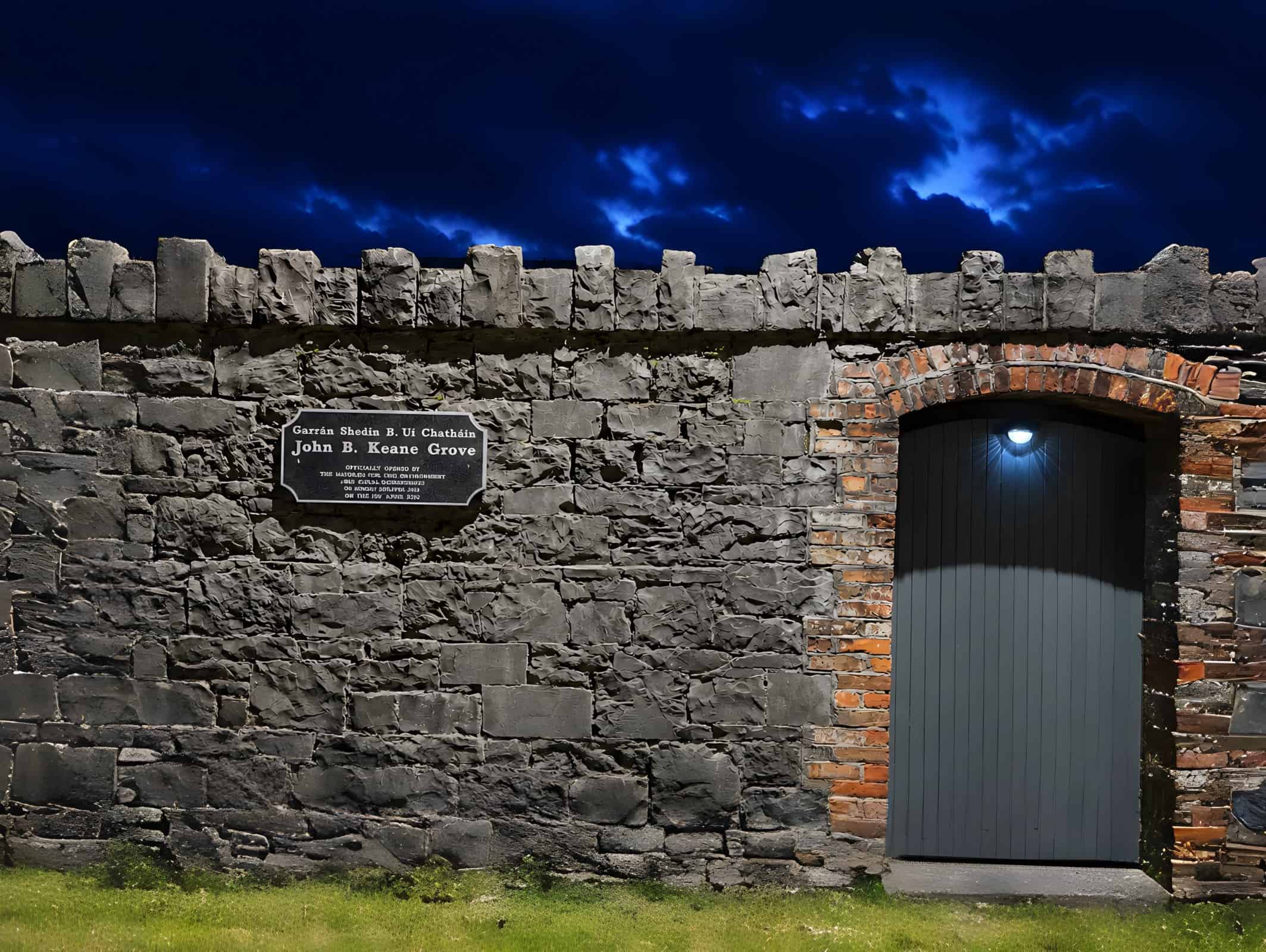
Listowel, County Kerry

The Station House

A restored railway station house in the centre of Listowel.
145 years of North Kerry railway history.

Part of the Limerick & Kerry Railway, opened December 20th, 1880
A house with a railway story

The history of the Station House, Listowel

The Station House stands on John B Keane Grove in the centre of Listowel, alongside the route of the former railway. Today it is a distinctive restored home, but its story begins with the expansion of the railway across North Kerry in the late nineteenth century.

When Listowel Station opened on 20 December 1880, it formed part of the Limerick and Kerry Railway: a 43-mile route from Newcastle West to Tralee, connecting towns such as Abbeyfeale, Kilmorna, Listowel, Lixnaw, Abbeydorney and Ardfert. For generations, the station handled passengers, goods and the everyday traffic of a changing region.

The railway years

A visual timeline of The Station House.

The photographs below follow the story from the early railway period through the Lartigue Monorail, the working station years, the final decades of the railway, and the years of disuse before restoration. Historic images are shown in their natural proportions so the detail is not lost.

1848–1880

The railway reaches North Kerry

Limerick had been connected to the Irish railway system in 1848. The onward railway link to Tralee developed in stages: first via the Limerick and Foynes Railway, then the Rathkeale and Newcastle Junction Railway, and finally the Limerick and Kerry Railway. The line to Tralee opened on 20 December 1880, bringing Listowel Station into service.
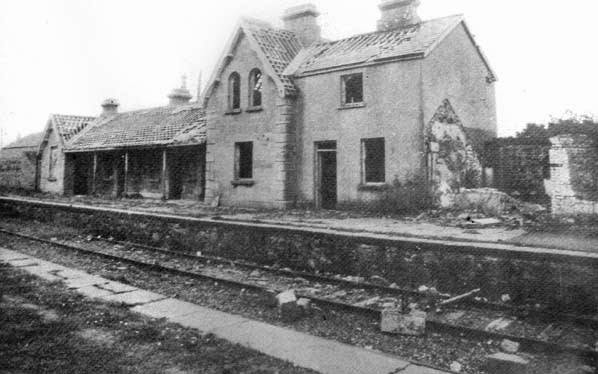
Early image of Listowel Station House in the 1880s
1880s — one of the earliest views of the Station House.
1888–1931

The Lartigue Monorail era

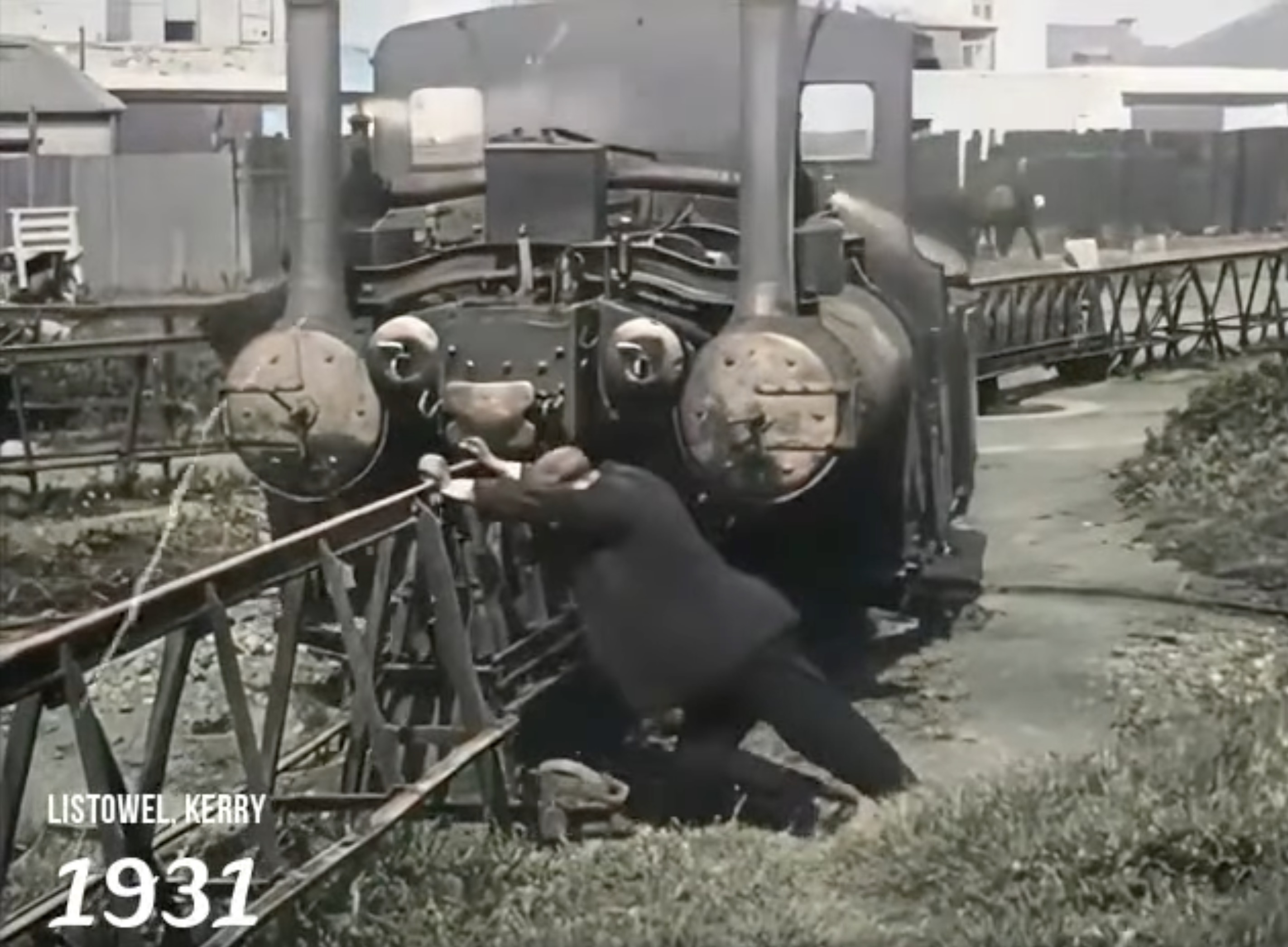
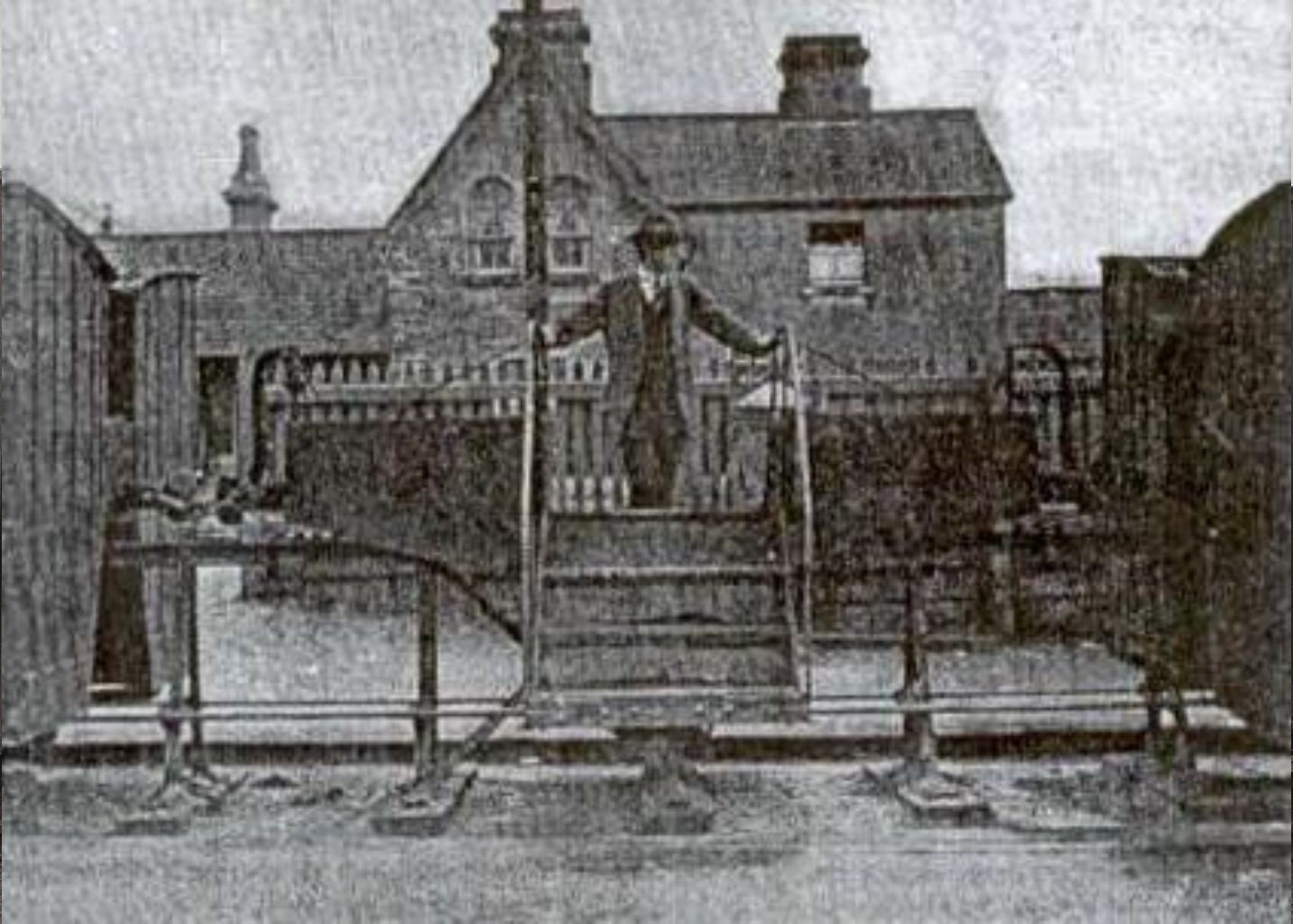
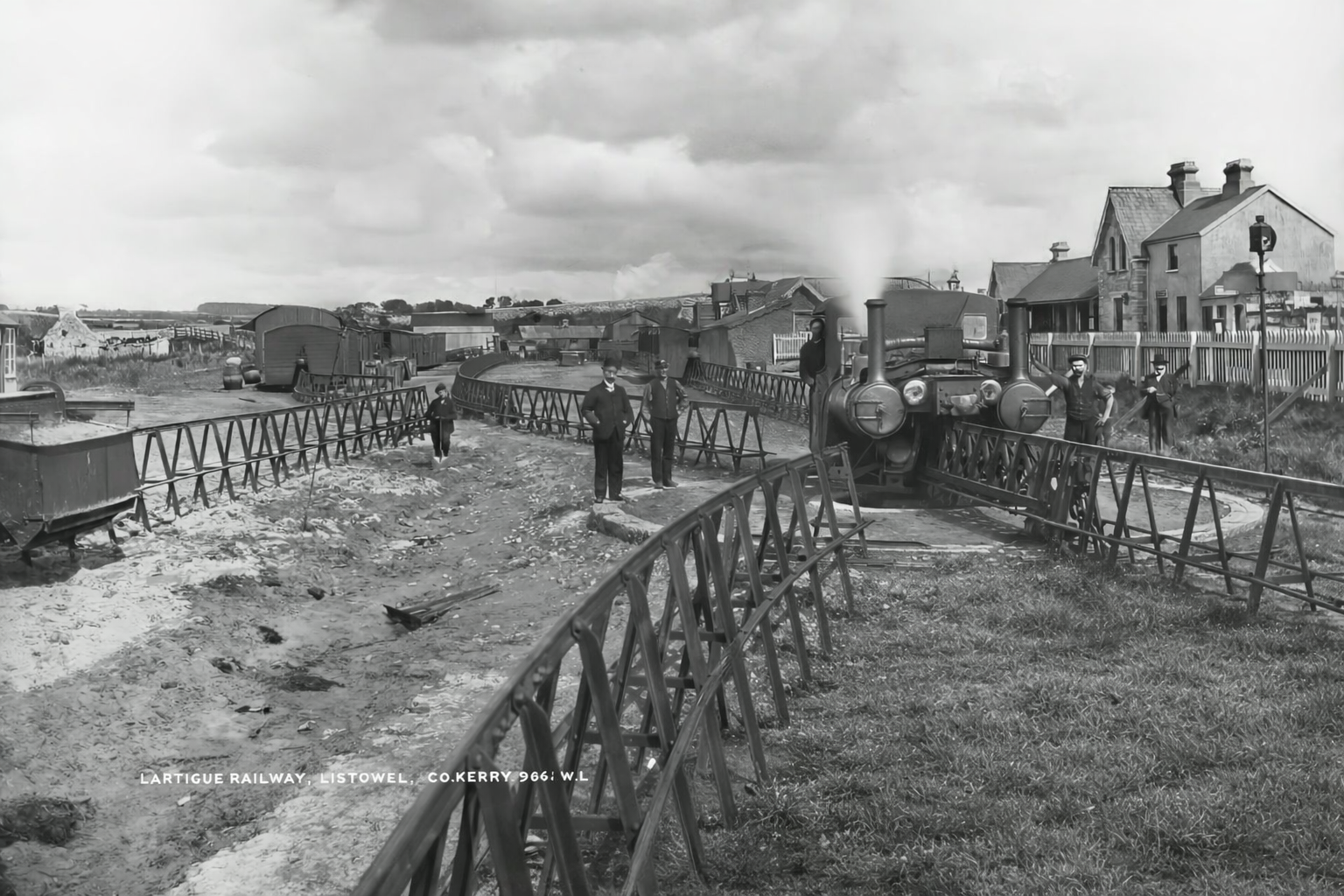
Listowel was also home to one of Ireland's most remarkable railway experiments: the Listowel and Ballybunion Lartigue Monorail, which opened in 1888. The famous balanced monorail ran close to the Station House, adding another layer to Listowel's unusual railway heritage.

The manually operated turntables shown in these images can still be seen to the rear of the Station House today.

Man standing on the Lartigue Monorail behind the Station House, Listowel
c.1890 — the Lartigue Monorail behind the Station House.
Lartigue Monorail at Listowel in 1931
1931 — later image of the Listowel monorail.
1950–1963

The last passenger years

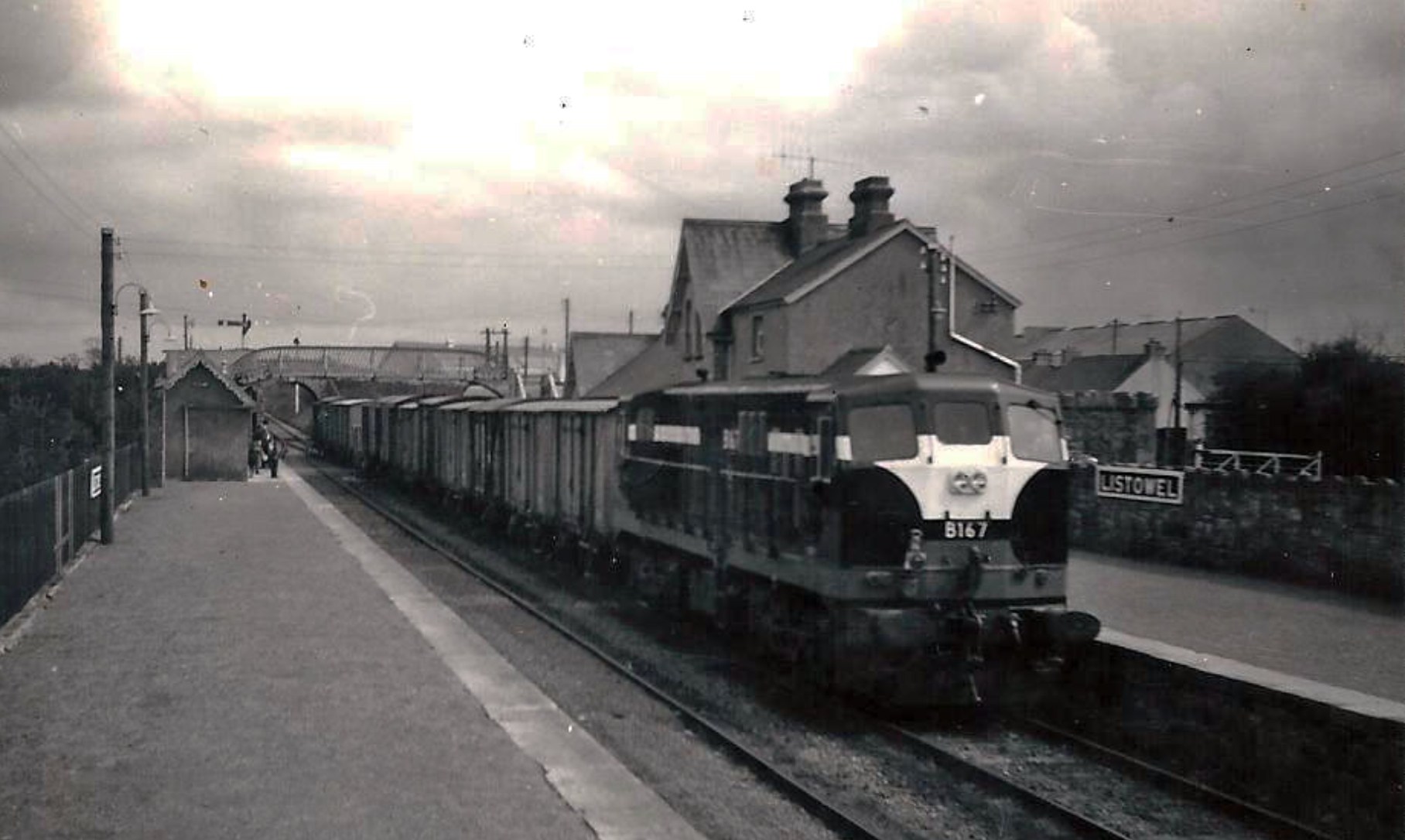
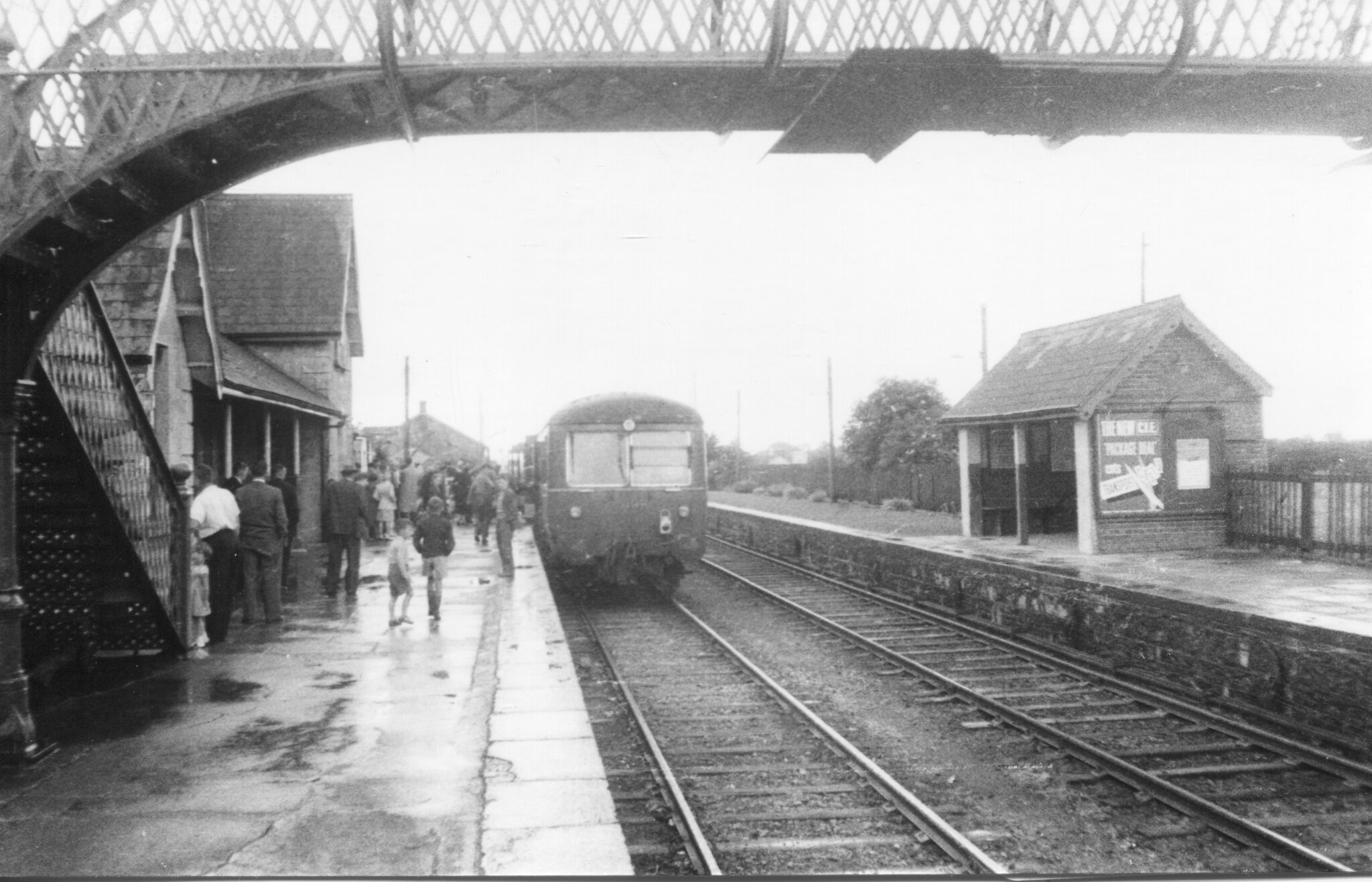
At its peak, the line carried several daily passenger services and goods traffic to and from Limerick. After the Second World War, however, rural railway traffic declined. Passenger services on the North Kerry line were withdrawn on 4 February 1963, although railway activity continued for some years afterwards.

Listowel Station in 1950
1950 — Listowel Station during its working years.
Listowel Railway Station in 1963
1963 — the end of scheduled passenger service.
1969–1979

Freight, specials and a fading railway

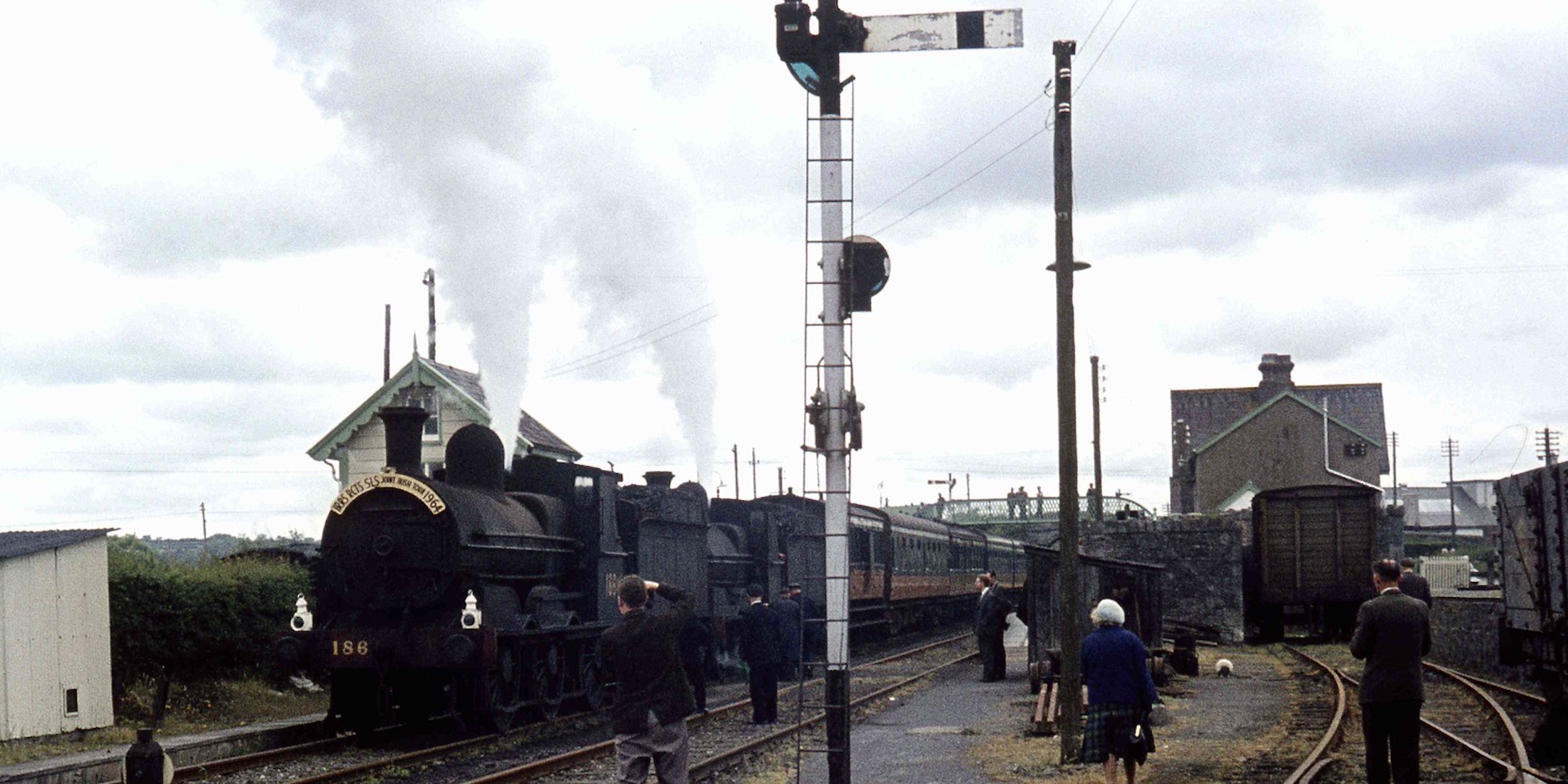
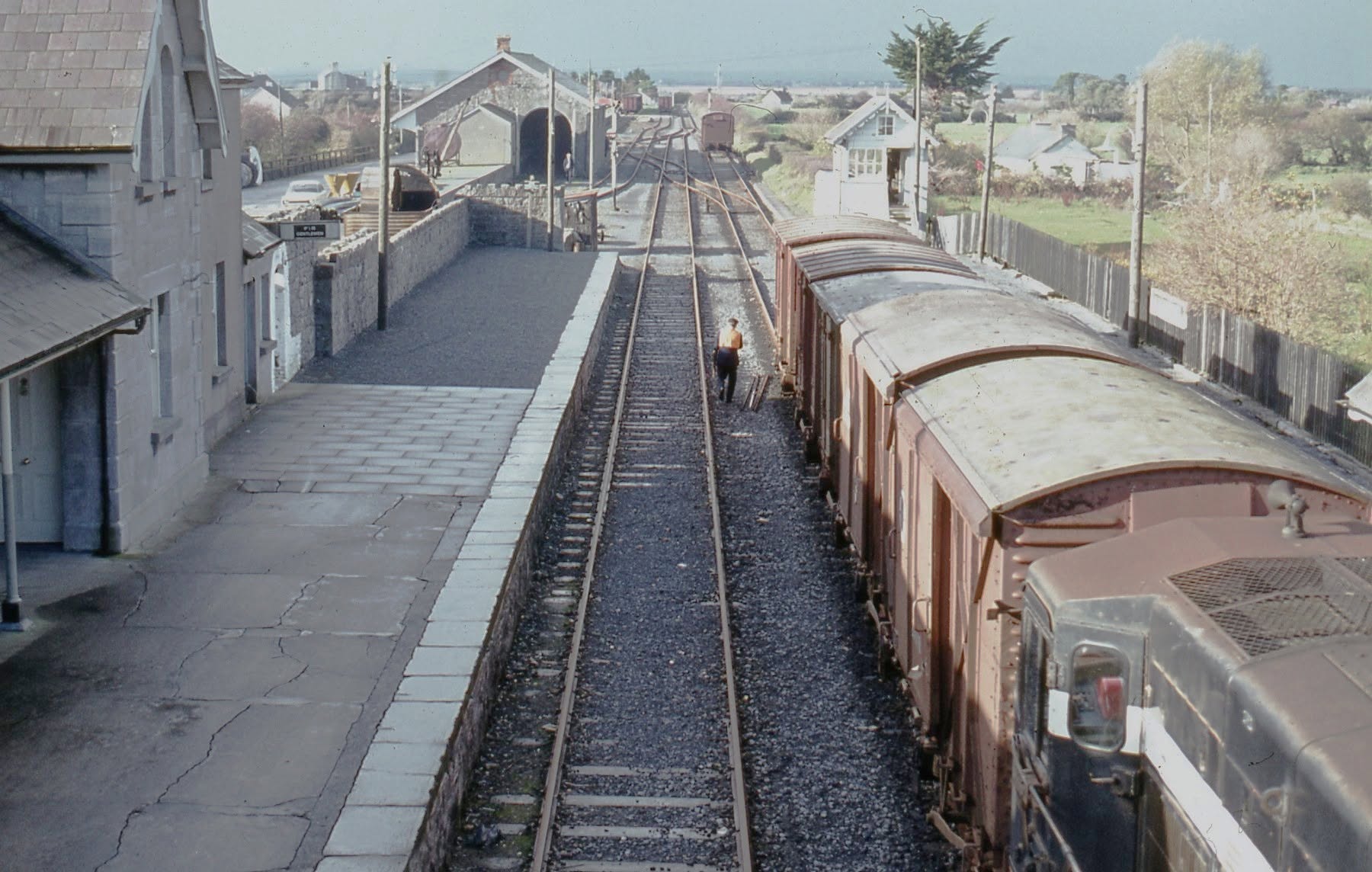
After passenger closure, the railway did not vanish overnight. Freight movements and occasional trains continued, but the line's role was shrinking. In 1972 goods trains ceased running through to Tralee, and freight services were withdrawn from the Listowel-Tralee section in January 1977.

Listowel Station in May 1969
May 1969 — railway infrastructure still intact.
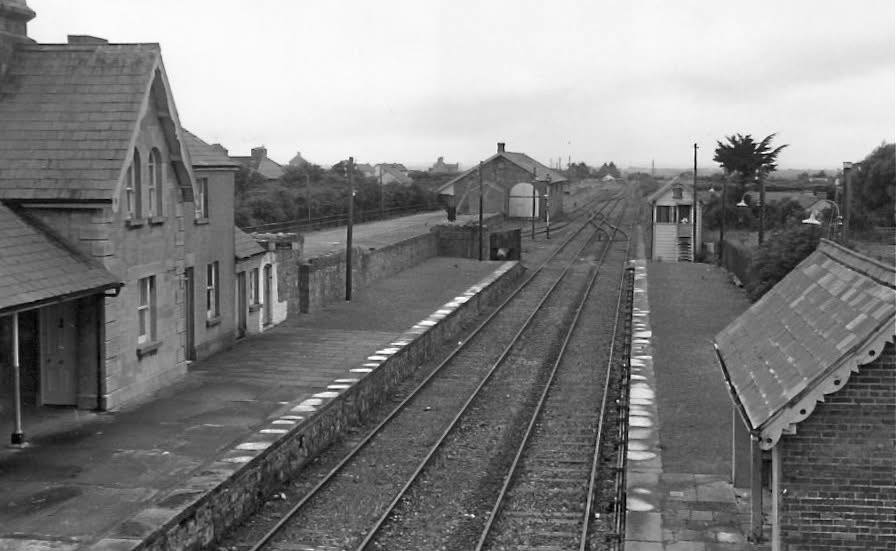
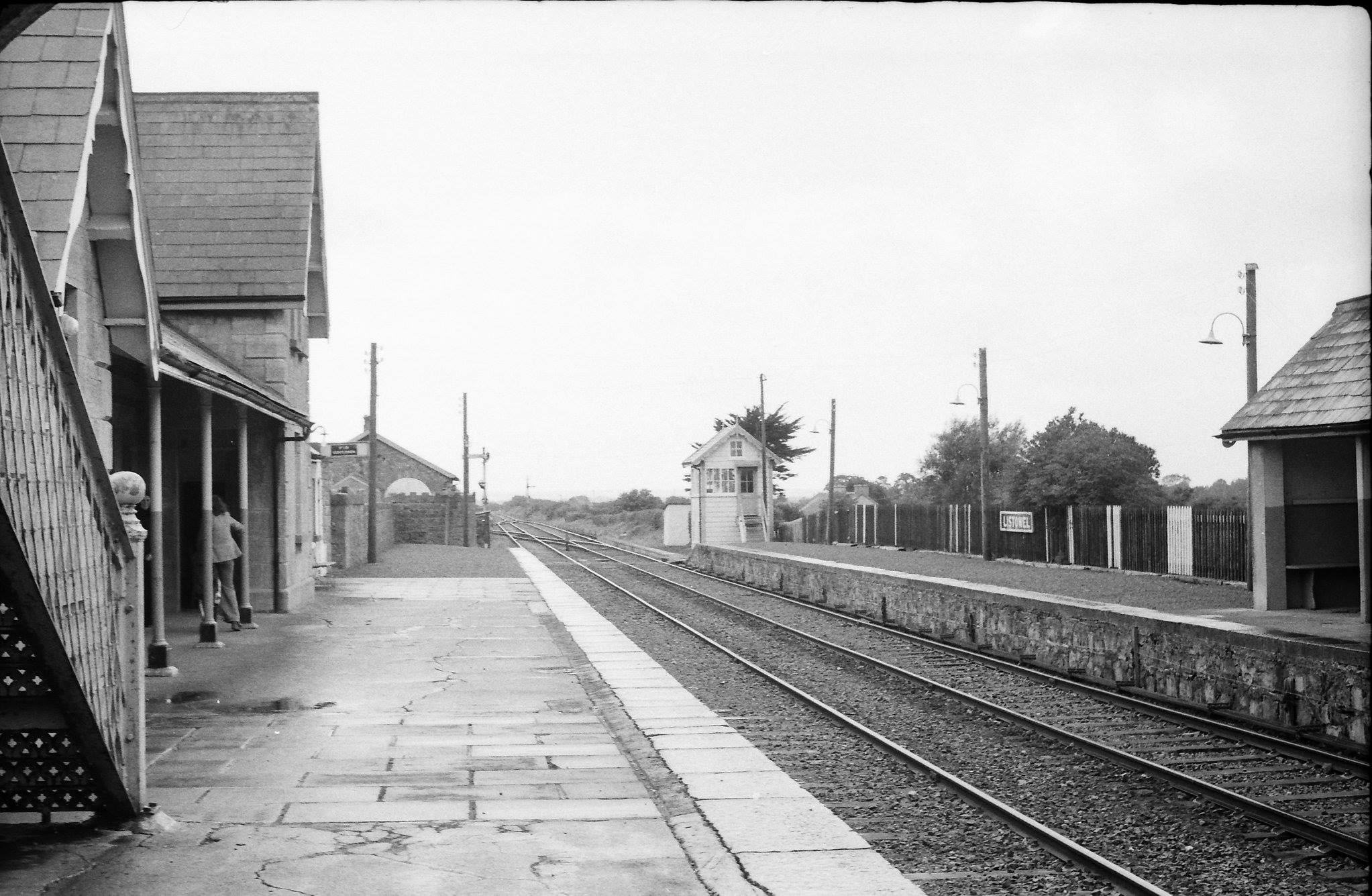
Listowel Station looking along the platforms in November 1976
November 1976 — looking along the platforms.
Listowel Station in May 1979
13 May 1979 — station and platform scene.
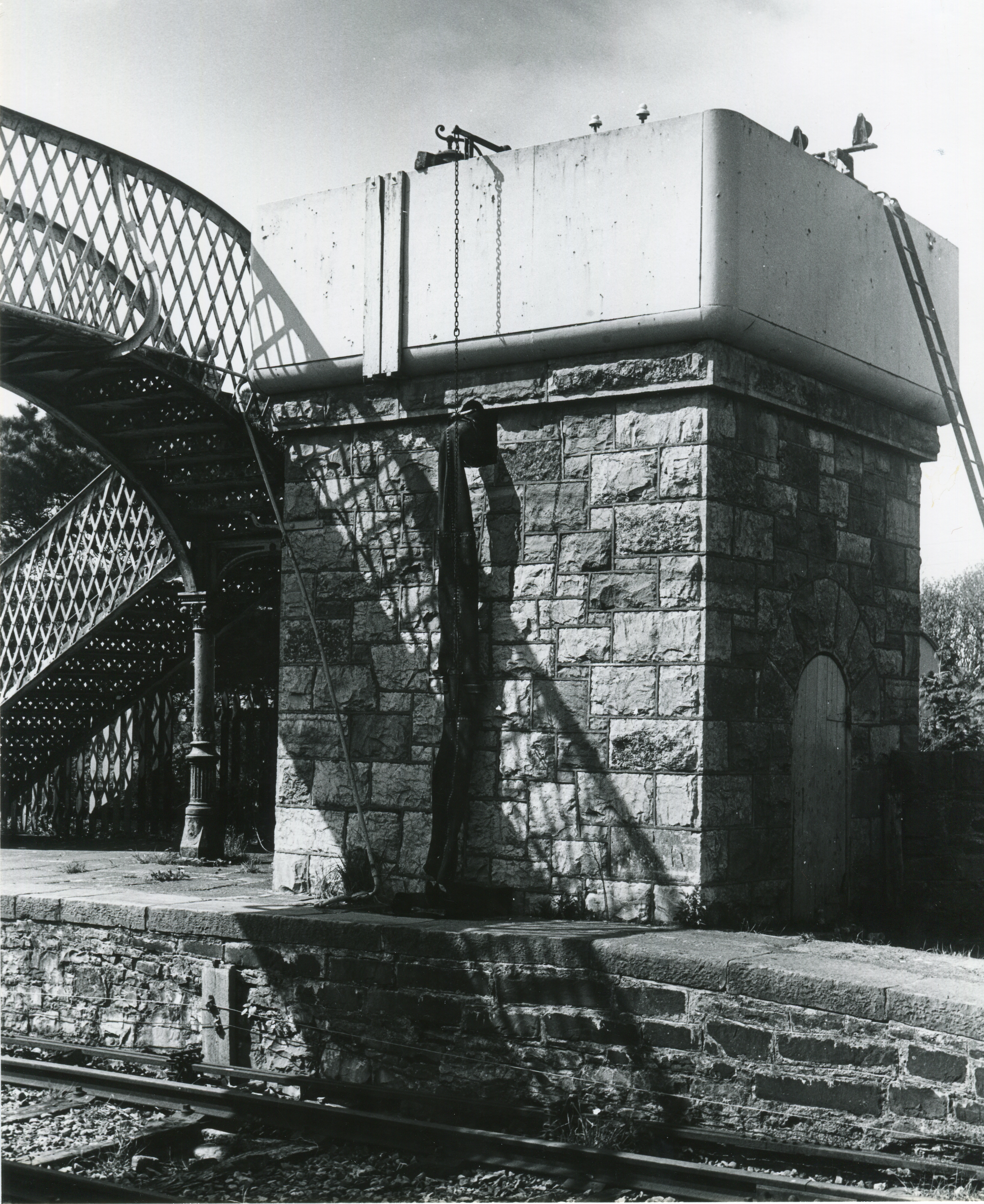
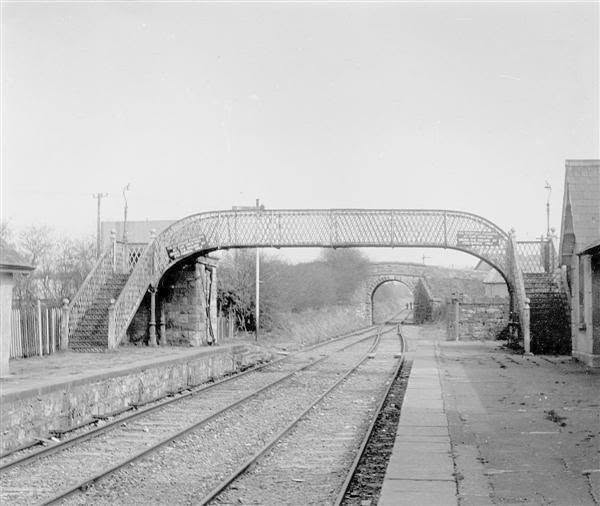
Footbridge detail at Listowel Station in 1979
1979 — the distinctive railway footbridge.
1980s

Closure, abandonment and the Greenway idea

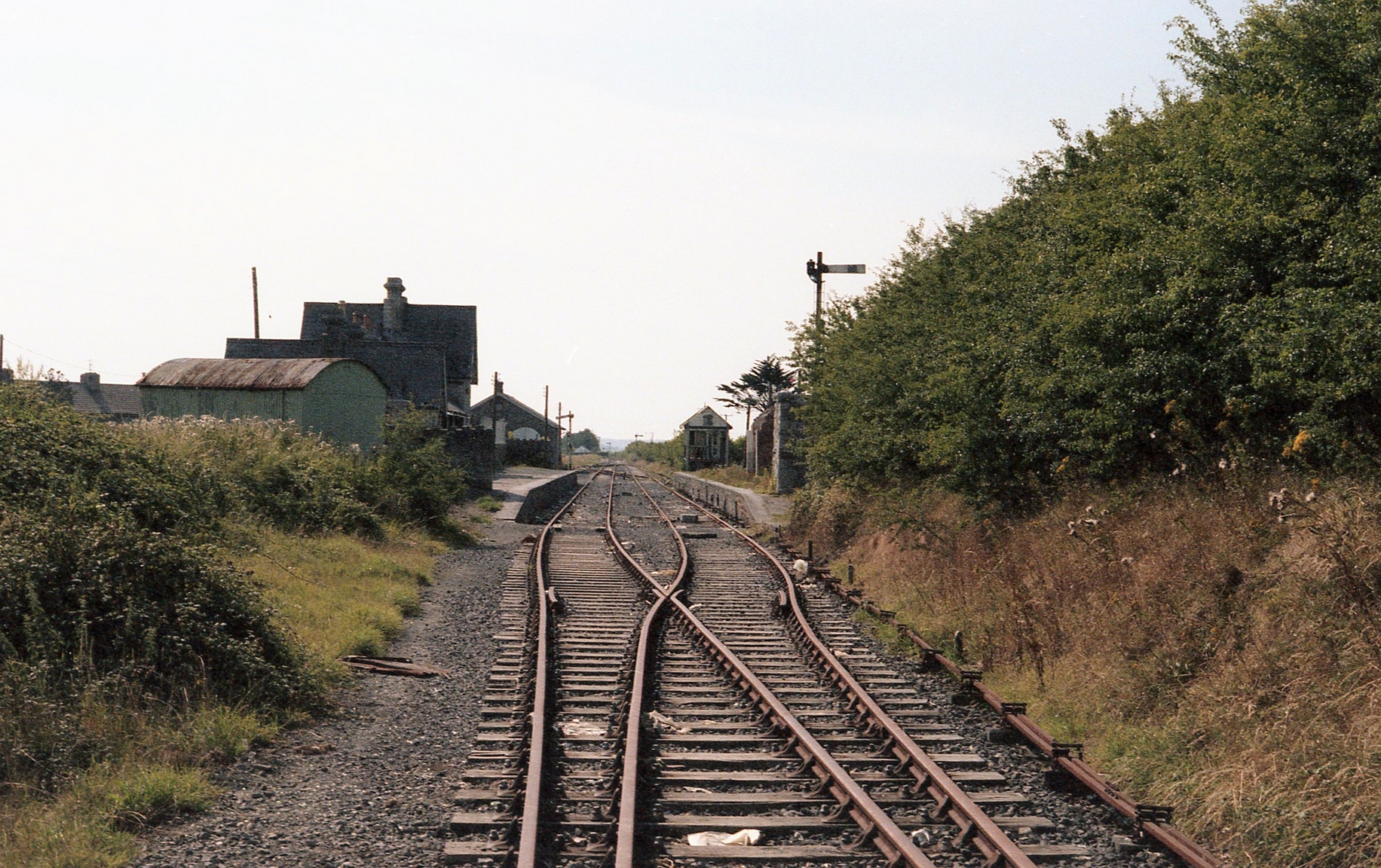
The line closed completely in the early 1980s and an abandonment order was issued in the late 1980s. Track lifting began in January 1988. Even as the rails disappeared, interest grew in reusing the track bed as a walking and cycling route — the beginning of the story that would eventually become the Great Southern Trail and Greenway.

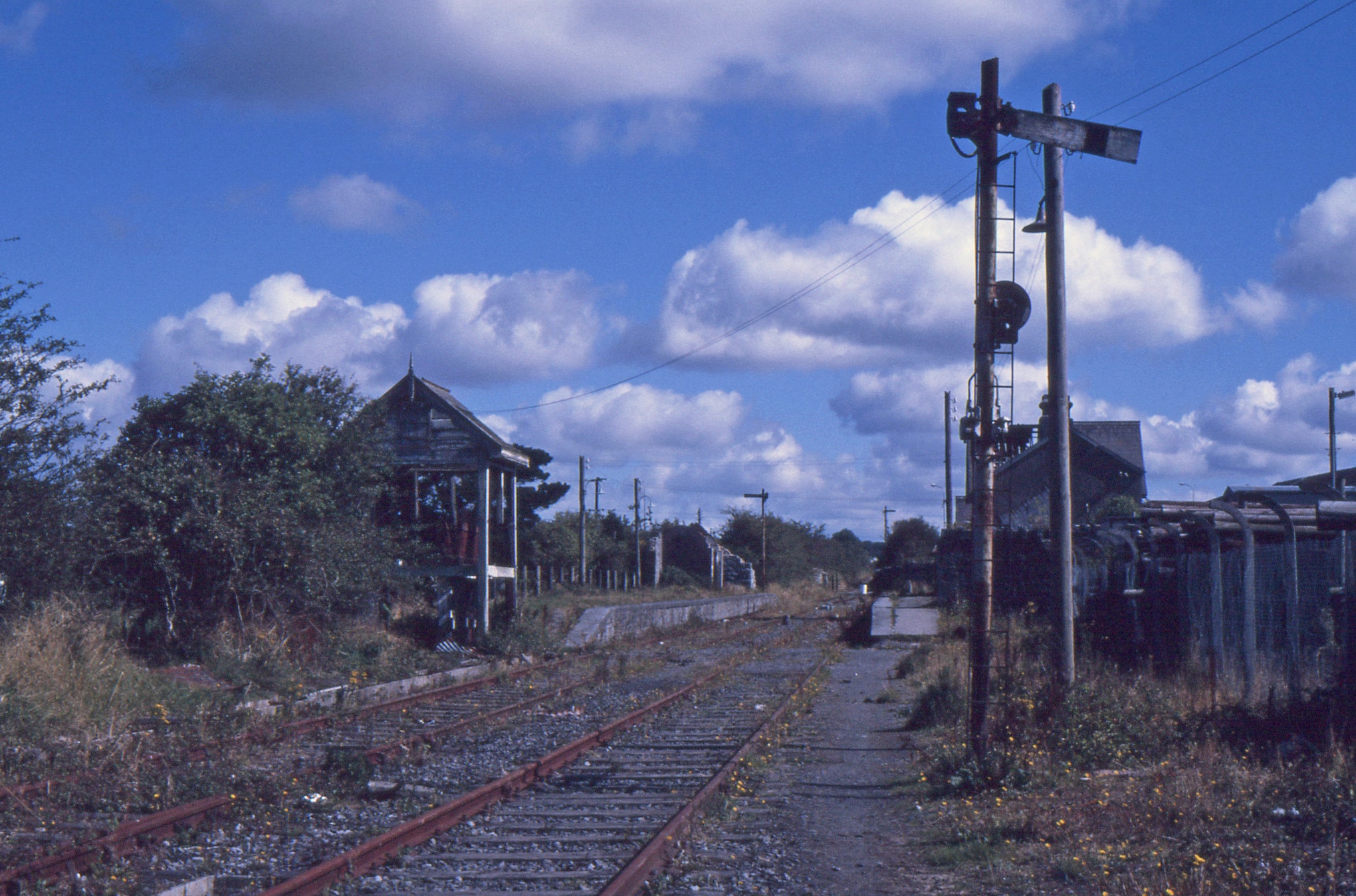
Disused railway line near Listowel in 1984
1984 — the railway after regular use had ended.
Listowel railway line in September 1986
September 1986 — the line before track lifting.
Station House in 1988
1988 — the Station House after the railway years.
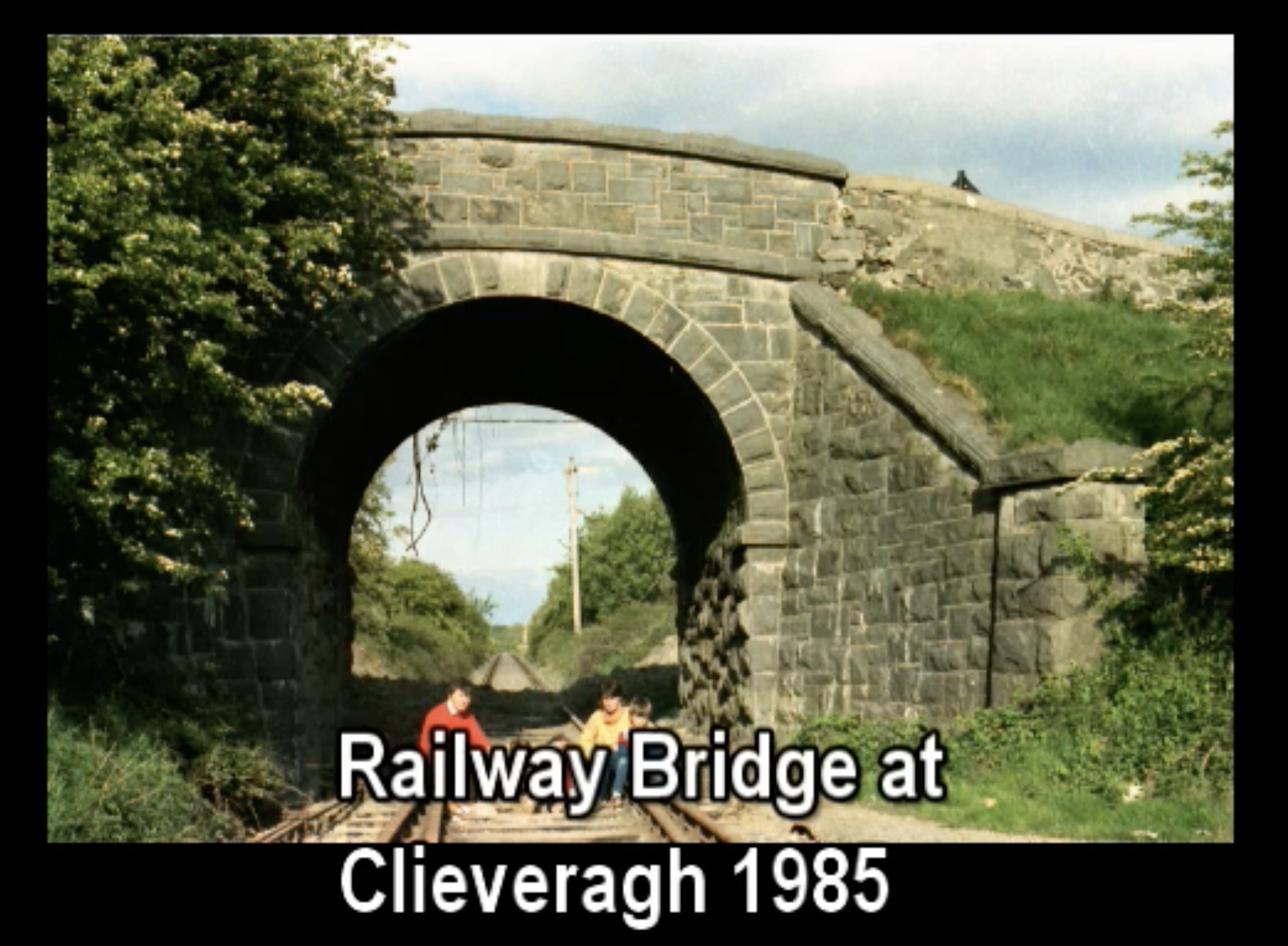
Railway bridge at Clieveragh in 1985
1985 — nearby railway bridge on the former route.
1990–1998

A station house falling into ruin

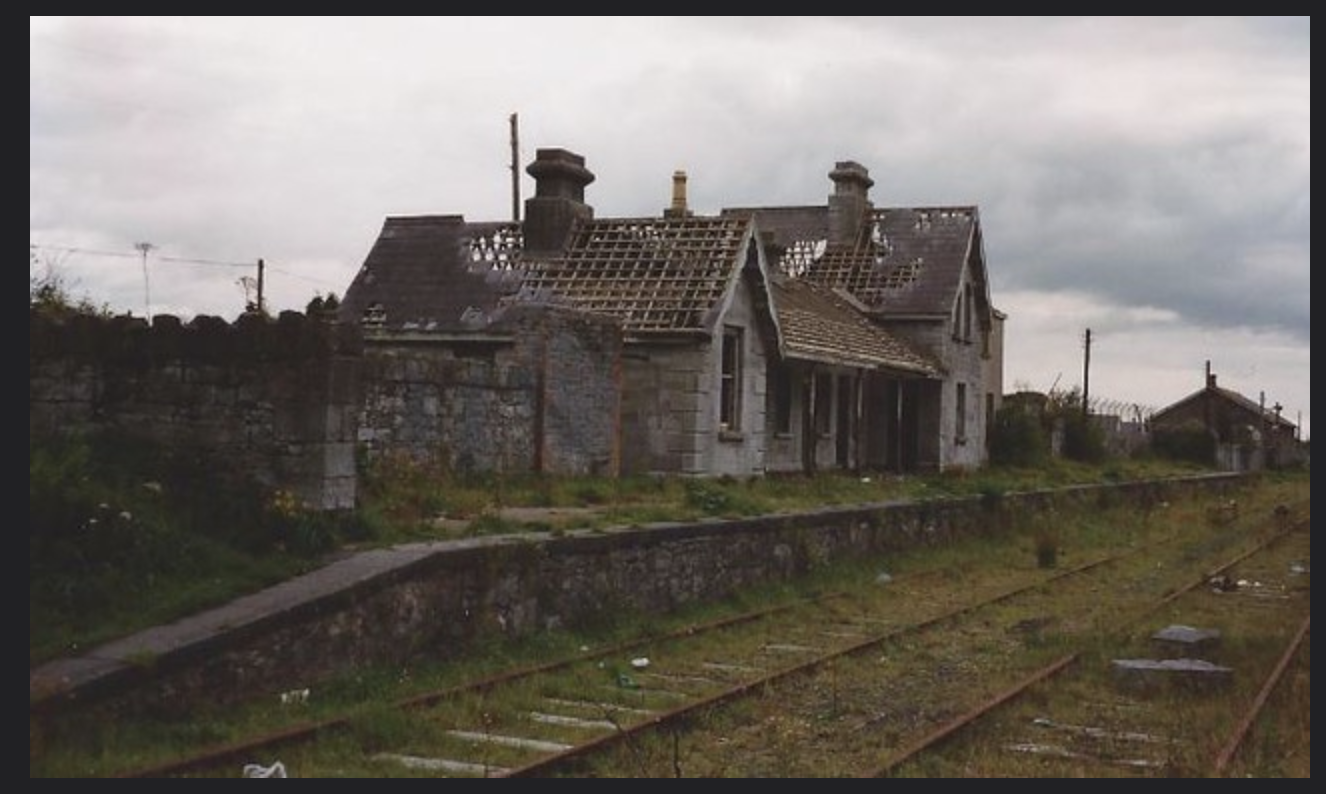
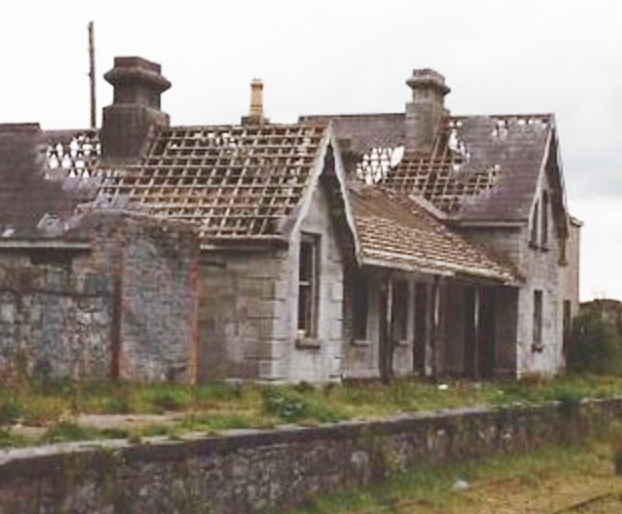
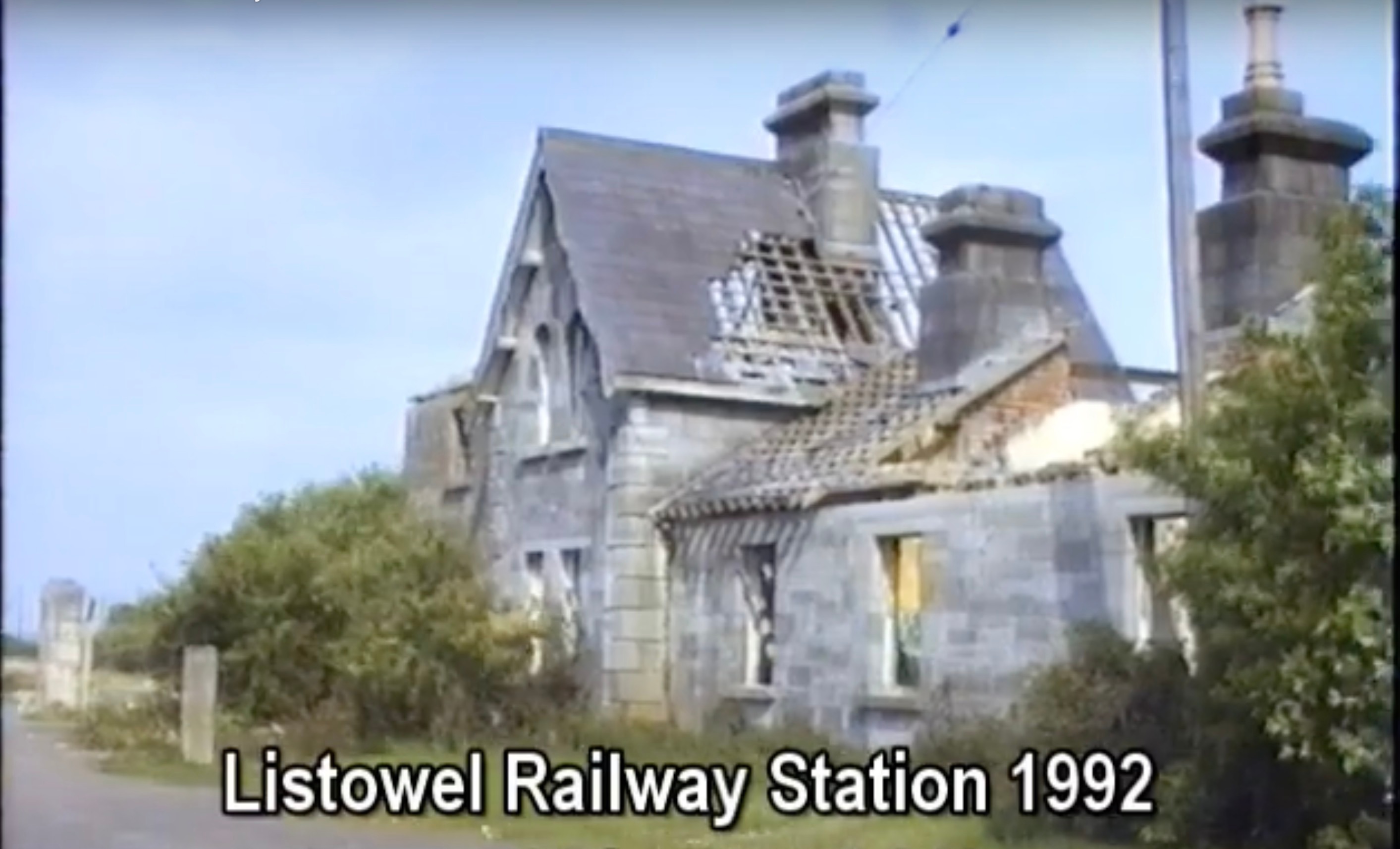
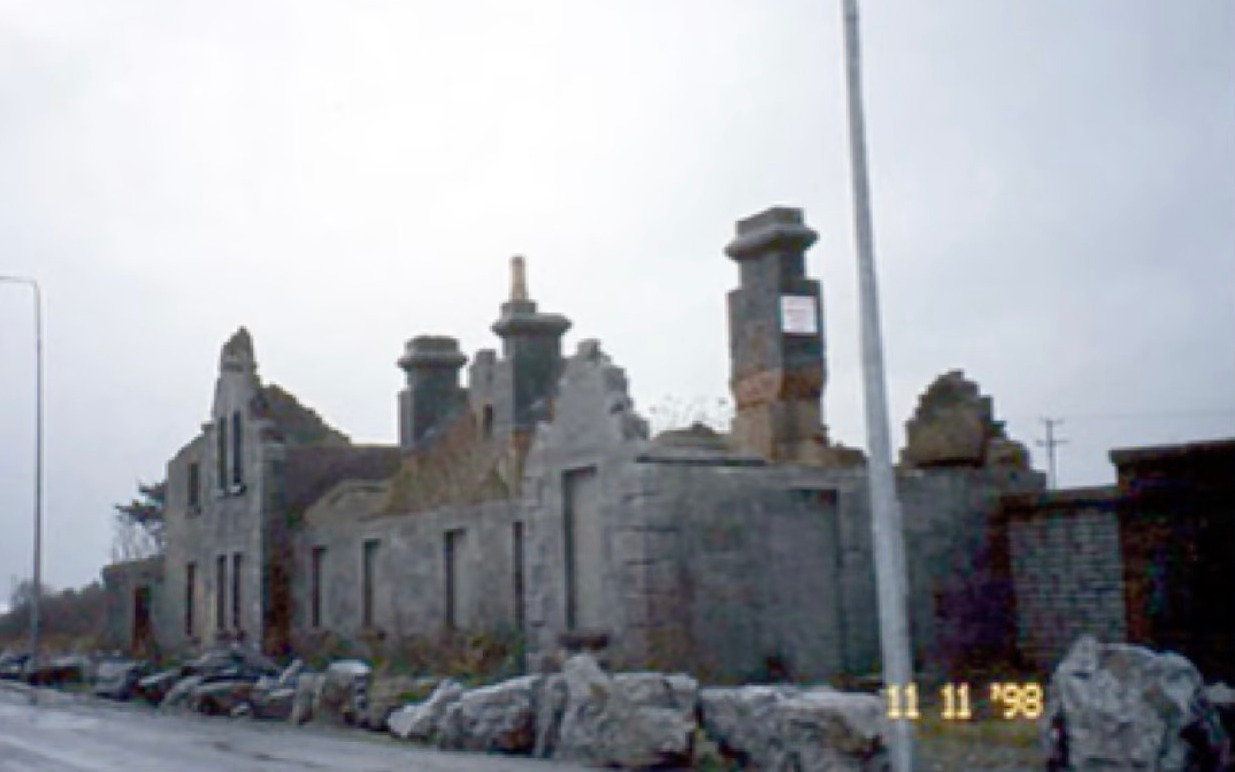
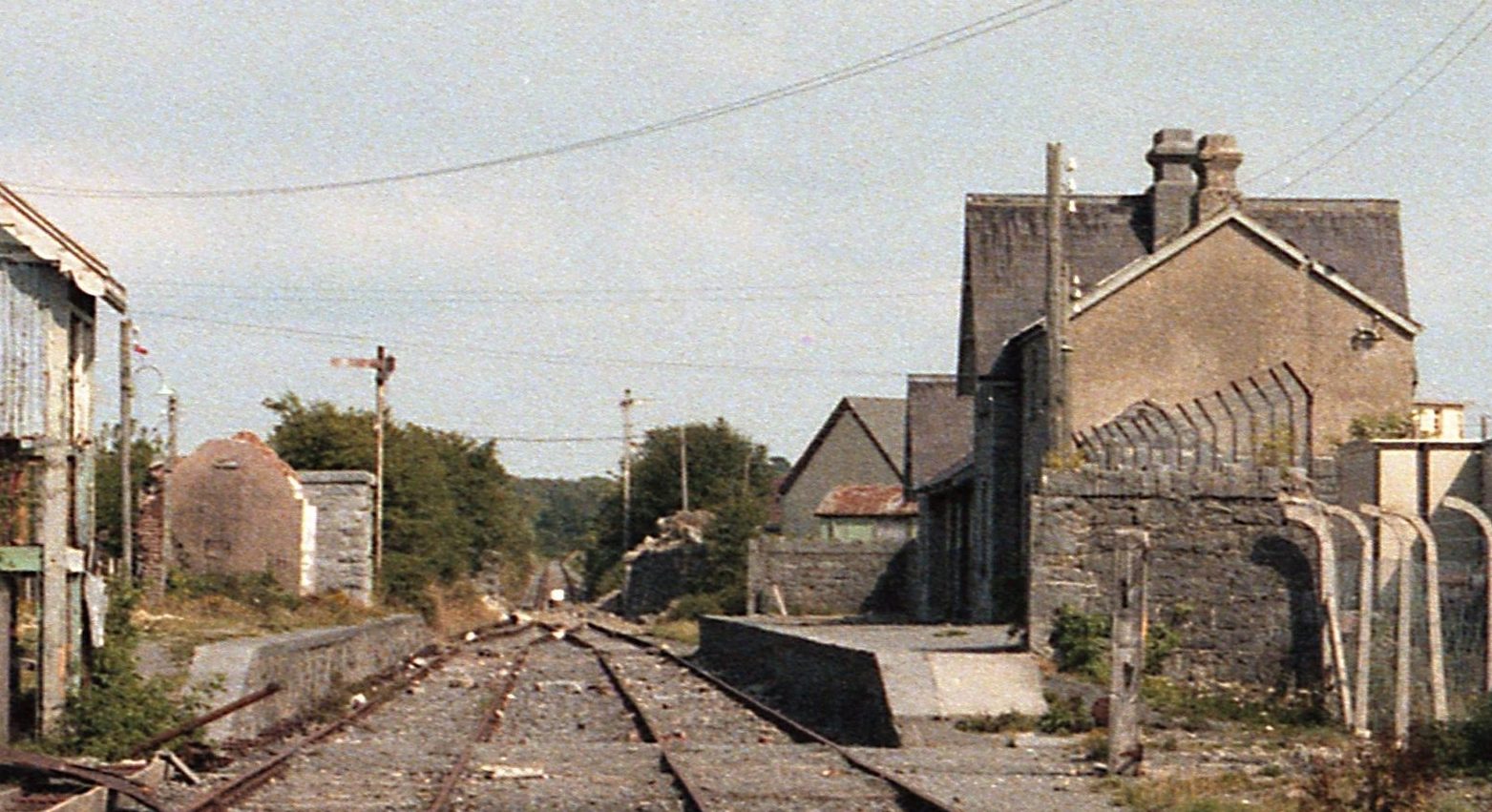
By the 1990s, the building had survived but was visibly deteriorating. Historic photographs from this period show the Station House in a fragile state, with the roof and chimneys badly damaged. These images make the later restoration all the more striking.

Station House in 1990
1990 — the former station building still standing.
Station House in 1990 showing deterioration
1990 — deterioration becoming visible.
Station House in 1992
1992 — the Station House in a derelict state.
Station House in November 1998 before restoration
November 1998 — shortly before renovation began.
c.2000–today

Restored for a new life

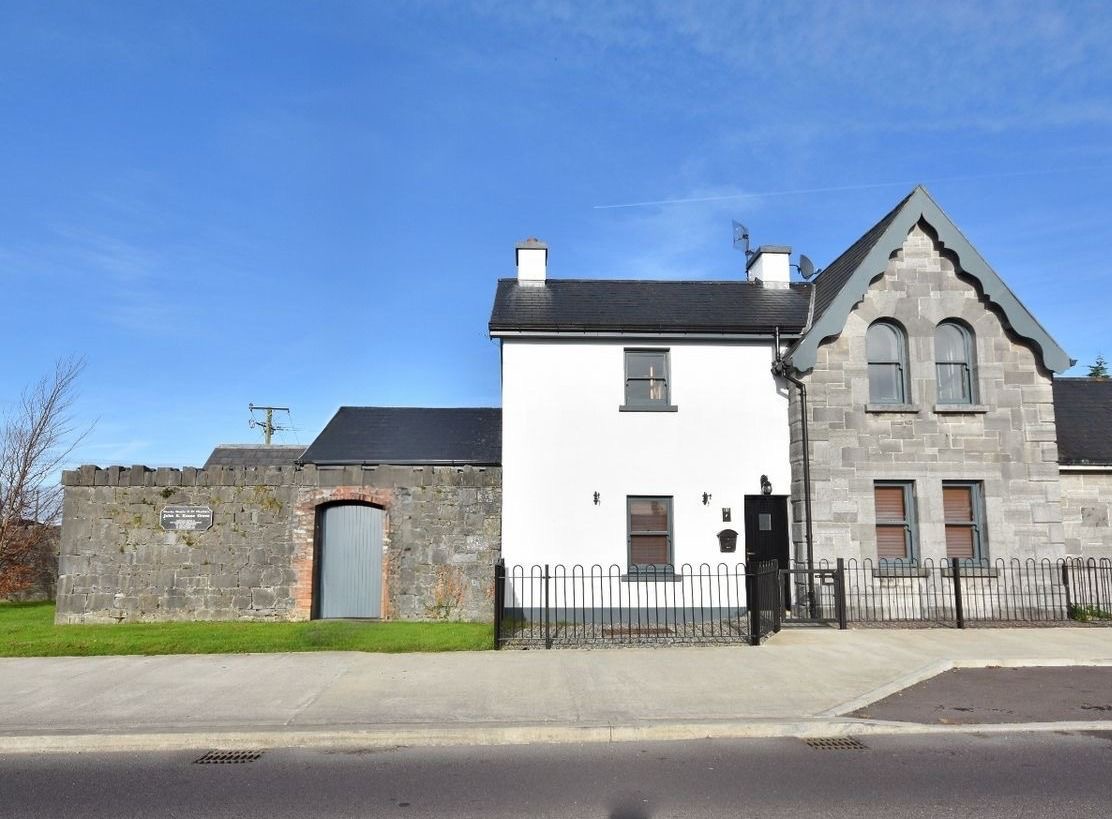
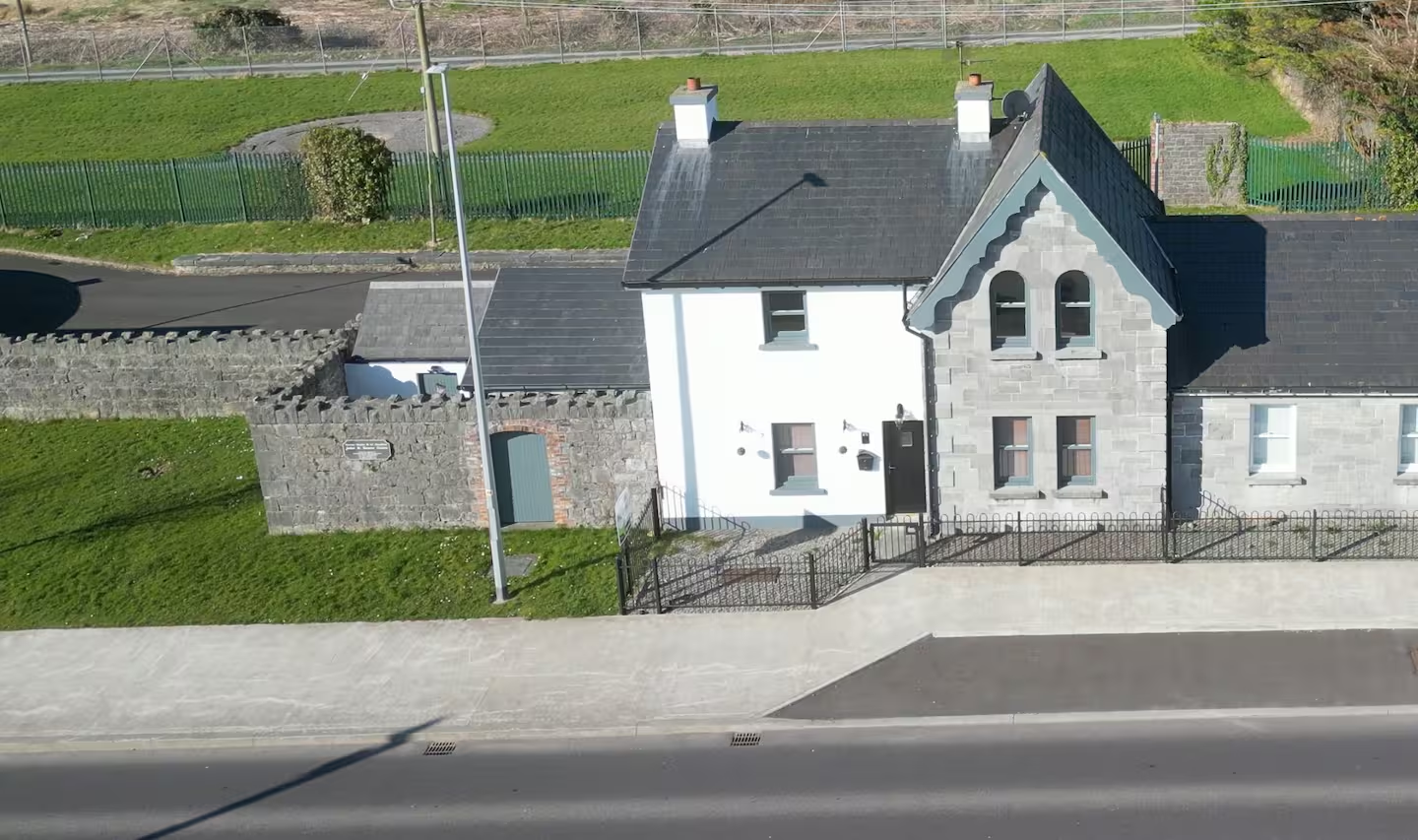
Around the year 2000, the Station House was renovated and returned to life as a private home. Today, the building remains one of Listowel's most distinctive pieces of railway heritage: a restored station house in the heart of town, close to the former railway route and the modern Greenway.

The Station House, Listowel as it looks today
Today — restored as The Station House, Listowel.
In the centre of Listowel

The Station House Today.

What makes the house special is not only its location, but its continuity. The building has passed from railway station to disuse, from near-dereliction to restoration, it is a genuine piece of Listowel's story.

Exterior of The Station House, Listowel
The restored Station House as it appears today.